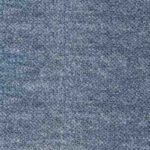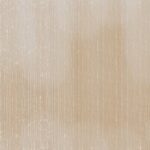

Grasscloth wallpaper brings a depth and texture that printed wallpaper cannot quite imitate, but its natural surface also needs a different kind of care. Many grasscloths are made from materials such as sisal, abaca, jute, arrowroot, or other plant fibers woven onto a backing. Those fibers can be porous, irregular, and sensitive to moisture, so routine cleaning should be gentle rather than aggressive. The safest approach is to remove dust regularly, treat marks cautiously, and always follow the care instructions supplied by the manufacturer for your exact wallcovering.
Start With the Manufacturer’s Cleaning Instructions
Before cleaning any grasscloth, check the product label, installation paperwork, sample book, or manufacturer’s website. Care recommendations vary. Some grasscloth products are specifically classified for dusting and vacuuming only, while others may permit limited cleaning with a soft cloth or sponge and warm water. That difference matters because a method that is acceptable for one wallcovering can discolor, flatten, or distort another.
If you no longer have the original information, identify the brand and pattern if possible before introducing moisture. When the product cannot be identified, treat it as a delicate, non-washable natural wallcovering and use dry methods first.
How to Remove Everyday Dust Safely
Regular dusting is the most useful form of wallpaper maintenance for grasscloth because it prevents loose dirt from becoming embedded in the weave. Work from the top of the wall downward so falling particles do not settle on areas you have already cleaned.
Use a clean, soft-bristled brush, a dry microfiber duster that does not snag, or a vacuum fitted with a soft upholstery or dusting brush. If using a vacuum, keep suction low and move the attachment lightly over the surface rather than pressing it into the fibers. Pay extra attention to upper corners, areas behind furniture, and the horizontal ridges of heavily textured grasscloth, where dust tends to collect.
A practical routine is to dust visible grasscloth every few weeks and include a more thorough top-to-bottom vacuuming during seasonal cleaning. Homes with pets, open windows, fireplaces, or busy kitchens may need more frequent attention.
What to Do When You Notice a Spot or Stain
The sooner you notice a mark, the better your chances of limiting it, but speed should not turn into scrubbing. Grasscloth can absorb liquids quickly, and rubbing may spread a stain, roughen the weave, or create a polished-looking patch that is more obvious than the original mark.
For Dry Dirt or Scuff-Like Marks
First try the least invasive option: a very soft dry brush or gentle vacuuming. Do not use an abrasive cleaning pad, stiff brush, or magic-eraser-style product. Those products can alter the natural fibers and create a permanent difference in texture or sheen.
For Fresh Liquid Spills
Blot immediately with a clean, white, absorbent cloth. Press lightly and lift straight away rather than wiping sideways. If the manufacturer explicitly allows damp cleaning, test an inconspicuous area first. Then use a barely damp soft cloth or sponge with clean lukewarm water, working carefully on the smallest possible area. Avoid soaking the wallcovering and allow it to dry naturally with normal room ventilation.
For example, if a few drops of plain water splash onto grasscloth beside a dining table, do not chase the wet edge with repeated wiping. Blot the droplets, leave the fibers undisturbed, and monitor the area as it dries. Repeated wetting can make a small incident larger.
For Grease, Ink, Makeup, or Unknown Stains
These are higher-risk stains because common household cleaners may permanently change the color or finish. Avoid experimenting with dish soap, solvents, stain sprays, bleach, vinegar, or alcohol unless the wallcovering manufacturer specifically approves that treatment. For a valuable installation or a conspicuous stain, contacting the manufacturer, retailer, installer, or a professional wallcovering cleaner is usually safer than repeated DIY attempts.
Cleaning Mistakes That Can Permanently Damage Grasscloth
Natural fiber care is mostly about avoiding excess force and moisture. Steam cleaners, saturated sponges, aggressive scrubbing, and repeated wet passes can swell fibers, weaken dyes, disturb seams, or leave tide marks. Adhesive residue is another concern: grasscloth installation guidance commonly warns that paste on the face can cause staining or surface damage, so dried adhesive should not be attacked with harsh cleaning.
Also avoid treating grasscloth like washable vinyl wallpaper. Even if two wallcoverings look similar from across a room, their surfaces may behave very differently when exposed to water. A small hidden test area is useful whenever the manufacturer permits a cleaning method but you are unsure how the installed colorway will respond.
Protect Grasscloth Between Cleanings
Good care begins with reducing the conditions that create stains. Keep furniture from rubbing directly against textured walls, especially chair backs and movable consoles. Use a range hood in nearby cooking areas, control indoor humidity, and fix leaks or condensation quickly. Natural grasscloth is generally better suited to dry interior spaces than areas with persistent humidity or frequent splashes.
Sunlight can also change natural materials over time. Curtains, shades, or UV-filtering window treatments can help reduce uneven fading on walls that receive strong direct sun. When rearranging furniture, remember that previously covered areas may appear slightly different because natural fibers age and react to light.
For broader decorating guidance, useful related topics include grasscloth wallpaper for different rooms, natural wallpaper materials, and wallpaper maintenance for textured walls. These make natural internal-linking opportunities when building a long-term care routine for the rest of your home.
Frequently Asked Questions
Can you wipe grasscloth wallpaper with water?
Sometimes, but not universally. Some manufacturers allow gentle cleaning with a soft cloth or sponge and warm water, while many grasscloth products are designated for dusting and vacuuming. Check the instructions for your exact product before using water, and never saturate the surface.
Can you vacuum grasscloth wallpaper?
Yes, for many grasscloth wallcoverings, gentle vacuuming with a soft brush attachment is an appropriate way to remove surface dust. Use low suction, avoid snagging loose fibers, and move lightly across the weave.
How do you remove stains from grasscloth wallpaper?
Start by identifying the stain and checking the manufacturer’s care directions. Blot fresh moisture rather than rubbing it. Use dry cleaning methods first when possible, and avoid household stain removers unless they are specifically approved. Persistent grease, ink, dye, or water marks may require professional advice.
How often should grasscloth wallpaper be cleaned?
There is no fixed schedule, but light, regular dusting is better than waiting for a heavy buildup. A quick dust every few weeks and a more detailed vacuuming during seasonal cleaning works well in many homes, with more frequent attention in dusty or high-use rooms.
Keep the Care Routine Simple
The best way to clean grasscloth wallpaper is usually the least dramatic one: keep dust under control, act carefully when spills occur, and resist the urge to scrub. Because grasscloth is made from natural, often porous fibers, manufacturer-specific instructions should always take priority over generic cleaning advice. With gentle handling and sensible prevention, the texture that makes grasscloth distinctive can remain attractive for years without unnecessary wear from over-cleaning.