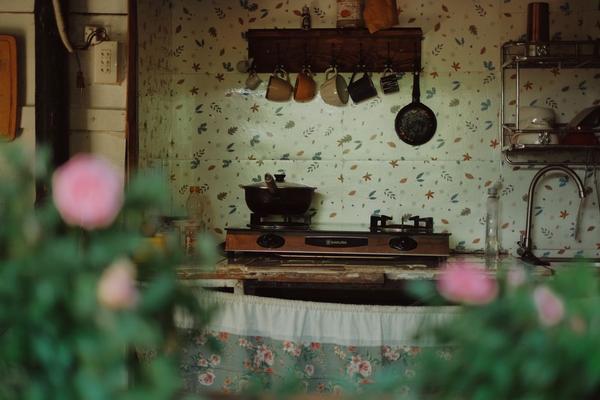
Can you wallpaper behind a stove? Sometimes, but the wall directly behind an active cooktop is usually the wrong place for ordinary wallpaper. Heat, steam, grease splashes, and scrubbing can damage the finish or weaken its adhesive. Wallpaper can still look beautiful in a kitchen; the trick is knowing where decoration ends and a suitable cooking backsplash begins.
The safest general approach is to protect the high-exposure area with an approved surface, then use wallpaper on adjoining walls that stay cooler and cleaner. Always check your stove’s installation instructions and the wallpaper manufacturer’s restrictions before deciding on placement.
Why the Wall Behind a Stove Is Different
A breakfast nook might see occasional humidity. The wall behind a stove handles concentrated cooking conditions every day. Hot cookware radiates heat, steam rises, and frying sends droplets of oil onto nearby surfaces. Even when the wall looks clean, a thin grease film can build up.
Ordinary paper wallpaper can absorb stains and be difficult to wipe. Vinyl-coated versions may clean more easily, but washability does not prove that the material or its adhesive withstands high temperatures. Grease accumulating along seams creates another problem. Kitchen wall safety depends on location as well as material.
Does Stove Type Affect Wallpaper Safety?
Gas Stoves
Gas burners introduce open flames, making nearby combustible finishes particularly concerning. Large pans can direct heat toward the back wall, and poorly positioned cookware can increase exposure. Avoid unapproved wallpaper immediately behind a gas stove, even when a product is advertised as heat resistant.
Electric and Ceramic Cooktops
No open gas flame is present, but hot elements, cookware, and cooking oil still affect the wall. Radiant heat and repeated cleaning may cause discoloration, peeling, or adhesive failure. An electric stove is not an automatic green light for peel-and-stick wallpaper behind the burners.
Induction Cooktops
Induction heats compatible cookware, but the pan and its contents still become hot. Steam and grease remain concerns, too. The lack of visible flame makes induction different, not automatically wallpaper-safe. Follow the appliance’s specified clearances and wall-finish guidance.
Is Heat Resistant or Grease Resistant Wallpaper Enough?
Terms such as heat resistant wall covering and grease resistant wallpaper describe different qualities. A wipe-clean coating may soften under sustained heat. A product rated for a particular temperature may still stain or deteriorate after repeated exposure to cleaning chemicals.
Check written instructions covering temperature limits, distance from cooking appliances, cleaning products, and suitable surfaces. Ask the manufacturer about use behind your stove if the information is unclear. A metallic look, thick vinyl layer, or tile-print pattern does not provide the protection of actual tile or metal.
Self-adhesive wallpaper adds another vulnerability: its adhesive. Repeated heating and cooling can lift corners, especially on greasy or uneven walls. Traditional pasted wallpaper has limitations as well. Neither type should be considered suitable simply because it survives a few cooking sessions.
Better Materials for the Space Behind the Cooktop
For the zone most exposed to heat and splashes, consider a backsplash specifically approved for the appliance. Ceramic or porcelain tile, appropriately selected metal panels, and purpose-made glass splashbacks are common choices. However, installation details, sealants, and required clearances matter; not every decorative panel suits every stove.
Follow the stove manufacturer’s instructions, the backsplash supplier’s guidance, and applicable local requirements. Installing glass over wallpaper does not automatically make a combustible underlying finish acceptable. A poorly designed assembly can trap heat or conceal failing adhesive.
For a cohesive look, use a neutral, wipeable backsplash behind the cooktop and continue patterned wallpaper on an adjacent wall. The contrast can look deliberate rather than compromised. Explore kitchen wallpaper ideas and easy-clean backsplash materials for coordinating colors and textures.
A Practical Example: Where Should the Pattern Stop?
Picture a stove centered between two countertop runs. You want a botanical print across the entire wall. Rather than applying wallpaper up to the rear burners, install a stove-appropriate backsplash across the cooking zone and continue the botanical design on a less exposed section.
Do not rely on a universal safe distance from the burner. Stove models, burner arrangements, ventilation, and wall materials differ. Check the appliance manual for required clearances and ask the wallpaper manufacturer whether your proposed location is permitted. A range hood helps manage cooking fumes but does not replace a suitable wall finish.
Another useful clue is where cooking splatter regularly lands and steam condenses. Observe these patterns during ordinary use without touching hot surfaces. They can guide decorating choices but never override safety instructions. If a wall routinely requires heavy degreasing, a hard, washable surface is likely the better fit.
What to Check Before Installing Wallpaper Near a Stove
Start with the actual range installation guide rather than a generic clearance chart. Some manufacturers require nearby wall coverings to tolerate substantial heat; others specify distances from combustible surfaces. A wallpaper listing that merely says “suitable for kitchens” does not override appliance requirements.
Inspect the wall next. Paint should be sound, dry, and free of grease. Fix leaks and persistent condensation first. Otherwise, bubbling or lifting can occur even away from the cooktop. Renters should also obtain permission before covering existing tiles or changing a protected surface.
Finally, plan for cleaning. Some washable wallpaper tolerates gentle soap and water, while abrasive pads or strong degreasers can damage the finish. Follow its care instructions. Related guides on how to clean wallpaper and where to use wallpaper in a kitchen can help with less exposed areas.
Frequently Asked Questions
Can peel-and-stick wallpaper go behind a stove?
Do not assume so. Many products are designed for decorative kitchen walls rather than direct burner heat. Use one in that location only if both the wallpaper manufacturer and appliance instructions permit it. Otherwise, choose an approved backsplash.
Will glass protect wallpaper behind a stove?
Not automatically. Cooker-rated glass can protect a wall when correctly specified and installed, but putting glass over wallpaper does not necessarily make the assembly safe. Confirm panel suitability, mounting details, and whether combustible material may remain underneath.
Is wallpaper safer behind induction than behind gas?
Induction avoids an open flame, but hot pans, steam, and oil splashes remain. It changes the exposure, not the need to check appliance clearances and the wallpaper maker’s limitations.
Where is the best place for wallpaper near a stove?
Try an adjoining wall, breakfast area, or other section beyond direct heat and frequent splashes, provided the product instructions allow it. That preserves the design while keeping the cooking zone practical to clean.
The Bottom Line
Wallpaper and kitchens can work together, but the area directly behind a stove calls for caution. Choose a correctly specified backsplash for the high-exposure zone, follow the actual appliance instructions, and use wallpaper where heat and grease are less demanding. You will enjoy the pattern without asking a decorative finish to do a protective surface’s job.