
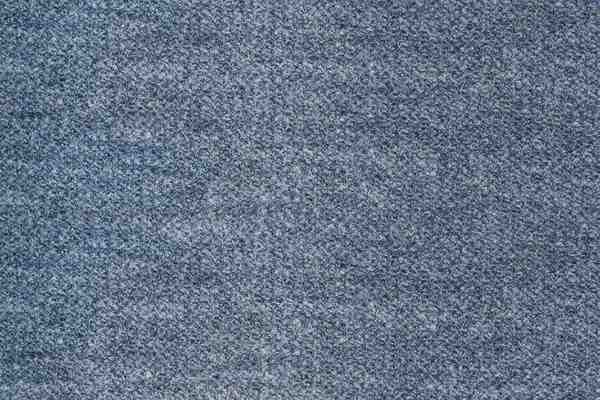
Fabric-backed wallpaper sits in a more specialised part of the wallcovering world than standard paper or non-woven rolls. It is often chosen where a wall finish needs to feel substantial, install cleanly and cope with more use than a delicate paper surface. That helps explain why it appears in hotels, offices, restaurants and high-end residential interiors.
There is one useful distinction to make first. In wallcovering industry terminology, fabric-backed wallpaper commonly refers to fabric-backed vinyl: a solid decorative vinyl surface laminated to a woven or non-woven fabric substrate. The fabric is the backing against the wall, not necessarily the visible face. A true textile wall covering may instead use linen, silk, cotton or another textile as the exposed surface. The terms can overlap in casual design conversations, but they are not automatically the same product.
What the Fabric Backing Actually Does
Wallpaper backing disappears once the material is installed, yet it has a major influence on handling and performance. Industry guidance identifies woven fabric backings such as scrim and osnaburg, along with non-woven fabric substrates. Heavier backings can contribute useful tear and tensile strength, which is one reason fabric backing wallpaper is common in commercial settings.
That construction gives the material a different character from lightweight paper-based products. A stronger backing can help a heavy wallcovering tolerate demanding interiors. Exact performance still depends on the complete product, including its face material, coating, weight and manufacturer specification.
Backing should not be confused with surface texture. Fabric backing does not automatically create a soft or woven-looking wall. The visible face may be smooth, printed, embossed or heavily textured vinyl. Two fabric-backed products can therefore share similar construction while looking completely different.
Why Designers Use It in Premium Interiors
Fabric-backed products appeal because they can combine visual depth with robust construction, allowing richer finishes in rooms that still need practical performance.
It gives larger walls more presence
On a broad corridor, dining room or formal living space, heavier designer wallpaper can create a more architectural effect than a thin printed paper. Embossed or textile-inspired surfaces catch light differently, helping even a restrained neutral wall feel layered rather than flat.
It can balance decoration with durability
Fabric-backed vinyl is widely used in commercial interiors where washability, scrubbability and durability matter. Similar qualities can be useful at home in entrance halls, family rooms and studies. Not every product suits every location, however, so the manufacturer’s technical guidance should take priority.
It bridges the look of wallpaper and textiles
Another attraction is the ability to specify finishes that visually reference linen, woven cloth or suede without necessarily using a delicate exposed fabric. An embossed vinyl face on a stable fabric substrate can deliver much of the visual richness associated with a textile wall covering while providing a different maintenance profile.
Comparisons with textile wallpaper, grasscloth wallpaper and other wallpaper types and materials are useful because similarly textured surfaces can behave very differently when cleaned, installed or exposed to wear.
How It Differs From Paper and Non-Woven Wallpaper
Paper wallpaper remains popular for residential interiors because of its traditional feel and broad range of prints. Non-woven wallpaper is valued for dimensional stability and convenient handling in many installations. Fabric-backed wallcovering is often heavier, stronger and more closely associated with demanding or premium applications.
No category is universally better. The right choice depends on wall condition, room use, desired finish and installation method. Price also matters. Premium fabric-backed designer wallpaper may cost more than mass-market paper, and professional installation can add to the budget because of material weight, width or seam treatment.
Where Fabric-Backed Wallpaper Works Best
Fabric-backed wallpaper makes the most sense when both finish quality and long-term performance matter. It can work particularly well in reception areas, hallways, dining spaces, studies, boutique-style bedrooms and feature walls where texture will be noticed at close range.
Imagine a narrow entrance hall with imperfect natural light. A very smooth, reflective finish may draw attention to every change in the wall, while a softly embossed fabric-backed finish can add visual depth. In a busy household, choosing a product specifically rated for appropriate cleaning can make that decorative upgrade more practical.
Bathrooms and kitchens need more caution. Some vinyl-faced products resist moisture and staining well, but ventilation, direct water exposure, wall preparation and adhesive selection still matter. Do not assume every vinyl-faced wallcovering is suitable for a wet area.
Installation Deserves Extra Attention
A premium wallcovering can only look as good as the surface beneath it. Walls should be sound, clean and properly prepared, with loose old coverings removed and defects repaired. Priming and adhesive selection should follow the manufacturer’s instructions, especially for heavier products.
Fabric-backed wallcoverings can be wider or heavier than familiar residential wallpaper, so pattern matching and seam placement should be planned before adhesive is applied. A useful practical step is to unroll and inspect several drops together first. Check the repeat, look for visible shading direction and decide where the least noticeable seam should fall. That can prevent costly cutting mistakes around focal points.
For expensive, textured or wide-width material, a professional installer may be worthwhile. The goal is not merely adhesion; it is straight drops, clean seams and a consistent surface without residue or damage.
How to Choose the Right Product
Start with the room rather than the pattern. Consider traffic, cleaning frequency, moisture, wall condition and how the surface will react to daylight or directional lighting. Then read the specification instead of relying only on the marketing name.
Confirm what the face and backing are made from, which adhesive is recommended and how the product should be cleaned. View the largest sample you can in the actual room too. Texture, sheen and embossing can look very different under warm lamps and natural light.
Frequently Asked Questions
Is fabric-backed wallpaper the same as fabric wallpaper?
Not necessarily. Fabric-backed wallpaper often means a vinyl wallcovering laminated to a woven or non-woven fabric substrate. Fabric wallpaper may use actual textile fibres as the visible decorative surface. Check the product construction.
Is fabric-backed wallpaper more durable than paper wallpaper?
Many fabric-backed vinyl products are designed for greater durability than standard paper wallcoverings, especially commercial grades. Performance varies, so check the cleaning, abrasion and usage guidance supplied by the manufacturer.
Can fabric-backed wallpaper be used in a bathroom?
Some vinyl-faced fabric-backed products may be suitable for humid rooms, but suitability depends on the product, ventilation, preparation and exposure to water. Follow the manufacturer’s recommendations.
Does it need professional installation?
Not always, but professional installation is often sensible for expensive, heavy, textured or wide-width products. Correct preparation, seam handling and adhesive use can make a noticeable difference.
Why the Material Has Lasting Appeal
Fabric-backed wallpaper is less about a luxury label and more about matching construction to the room. Its backing can add strength and support, while its decorative face can range from smooth and understated to deeply textured. When durability, depth and a substantial finish all matter, it can be a compelling alternative to conventional paper.