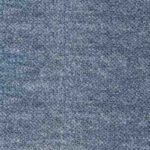
Vinyl wallpaper is one of the most widely used wall finishes because it combines decorative choice with practical performance. It can imitate linen, stone, plaster, timber, tile, or a painted surface, yet it is generally easier to wipe clean than traditional paper wallpaper. That makes it appealing to homeowners who want style without choosing a wall covering that feels too delicate for everyday life.
However, “vinyl wallpaper” is not a single product. The term covers several constructions, each with different levels of durability, breathability, weight, and ease of removal. Understanding those differences will help you choose the right option for the room.
What is vinyl wallpaper?
Vinyl wallpaper is a wall covering that includes a layer of polyvinyl chloride, usually called PVC, on its surface or within its construction. The vinyl layer provides much of the material’s resistance to moisture, stains, and abrasion. Beneath it, the backing may be paper, fabric, or non-woven material.
This construction separates vinyl from traditional paper wallpaper, which can mark more easily and may not tolerate repeated cleaning. Some products have a smooth printed face, while others are embossed to create texture. Heavier versions can help disguise small surface imperfections, although they will not hide major cracks, damp damage, or uneven plaster.
Main types of vinyl wallpaper
Vinyl-coated paper
Vinyl-coated paper has a paper base with a thin protective vinyl or acrylic coating. It is usually lighter and more breathable than heavier vinyl options. It can suit bedrooms, living rooms, and other areas that need moderate durability rather than maximum moisture resistance.
Solid vinyl wallpaper
Solid vinyl has a more substantial vinyl surface and is among the most durable wallpaper types. It can handle regular wiping, splashes, and everyday wear, making it popular for kitchens, bathrooms, utility rooms, children’s rooms, and hallways.
Fabric-backed vinyl
Fabric-backed vinyl combines a vinyl face with a woven backing. It is thick, strong, and commonly used in commercial interiors such as hotels, offices, and restaurants. It can also work in residential spaces that need a particularly hard-wearing finish.
This material is usually heavier and more expensive than standard domestic wallpaper. Installation may require specialist adhesive and greater care, so it is not always the easiest option for beginners.
Paper-backed and non-woven-backed vinyl
Many modern products use either paper or non-woven backing beneath the vinyl surface. Paper-backed versions are often pasted before hanging and may need time to soak. Non-woven-backed vinyl is commonly installed using the paste-the-wall method, which can make positioning and future removal easier.
Advantages of vinyl wallpaper
Durability and easy cleaning
Durability is the main reason people choose vinyl wallpaper. The protected surface is less likely to scuff, tear, or absorb stains than uncoated paper. In high-traffic parts of the home, durable wallpaper can stay presentable for longer.
Many vinyl designs can be wiped with a damp cloth, while more robust products may be classed as washable or scrubbable. This is useful around dining areas, entrances, and rooms used by children or pets. Cleaning instructions still vary, so avoid harsh products unless the manufacturer approves them.
Wide choice of finishes
Vinyl can carry detailed prints, bold colours, metallic effects, and convincing textures. Embossed versions create depth and can mimic more expensive materials. This gives homeowners access to decorative effects that might otherwise require timber panelling, specialist plaster, or natural textiles.
Useful in moisture-prone rooms
A suitable vinyl wall covering can perform well in kitchens, utility rooms, and well-ventilated bathrooms because the surface resists occasional splashes. It is not automatically waterproof and should not replace tiles or waterproof panels inside a shower enclosure or another continuously wet area.
Disadvantages of vinyl wallpaper
Reduced breathability
The same surface that resists water can reduce breathability. If a wall already has damp, condensation, or poor ventilation, covering it with vinyl may conceal the problem rather than solve it. Any moisture issue should be identified and repaired before decorating.
Removal can vary
Some vinyl wallpapers peel away cleanly, especially modern non-woven products. Others separate into layers, leaving the backing attached to the wall. Older or heavily bonded wallpaper may need scoring, steaming, or repeated soaking. Checking whether a product is strippable, peelable, or wet-removable can save work later.
Careful preparation is essential
Vinyl wallpaper can be unforgiving when walls are dusty, glossy, uneven, or poorly sealed. Heavy rolls also need the correct paste. Skipping preparation may lead to lifting seams, bubbles, or visible defects. Walls should be clean, dry, stable, and smooth before installation.
Environmental considerations
Vinyl is plastic-based, so its production and disposal raise environmental concerns. It is not generally as easy to recycle as plain paper wallpaper. Buyers who prioritise lower-impact materials may prefer paper-based, cellulose, or responsibly sourced non-woven alternatives, while still comparing durability and expected lifespan.
Where does vinyl wallpaper work best?
Vinyl is especially useful where walls face frequent contact, light splashing, or occasional marks. Hallways, kitchens, playrooms, dining spaces, cloakrooms, and utility rooms are common choices. It can also be used in bedrooms and living rooms when the design suits the scheme.
For bathrooms, choose a product specifically recommended for humid areas and maintain good ventilation. Avoid hanging standard wallpaper on persistently damp walls or in direct wet zones. In older properties with walls that need to breathe, seek advice before using an impermeable finish.
How to choose the right vinyl wallpaper
Start with the room rather than the pattern. Consider moisture, traffic, sunlight, cleaning needs, and the condition of the wall. Then compare the product’s washability rating, backing type, hanging instructions, paste requirements, and removal method.
Order a sample because colour and texture can change under different light. Check batch numbers and allow extra material for pattern matching and future repairs.
Frequently asked questions
Is vinyl wallpaper waterproof?
Most vinyl wallpaper is water-resistant rather than fully waterproof. It may cope with wiping and occasional splashes, but it should not usually be installed where it will be continuously soaked.
Can vinyl wallpaper be used in a bathroom?
Yes, provided the product is suitable for humid rooms, the wall is dry, and the bathroom is well ventilated. Keep it away from direct shower spray unless the manufacturer specifically approves that use.
Is vinyl wallpaper easy to clean?
Many types are easy to wipe clean, but cleaning ratings differ. Follow the care label and use mild methods first to avoid damaging the print or finish.
Is vinyl wallpaper easy to remove?
Removal depends on the backing and adhesive. Strippable non-woven vinyl is often straightforward, while older paper-backed or heavily pasted products can take more effort.
Conclusion
Vinyl wallpaper is a practical, versatile option for anyone seeking a decorative wall finish with greater resistance to marks and moisture than traditional paper. Its strengths are durability, cleanability, and design choice, but those benefits come with trade-offs, including lower breathability, possible removal difficulties, and environmental concerns. By matching the vinyl type to the room, preparing the wall properly, and following the manufacturer’s instructions, you can choose a finish that looks good and performs well for years.