Minimalist bedrooms have a quiet kind of beauty. They do not shout for attention, and they do not rely on heavy decoration to feel complete. Instead, they work through balance, softness, open space, and carefully chosen details. Wallpaper, once seen as something bold or busy, has found a new role in this kind of room. Today, the best minimalist bedroom wallpaper trends are less about dramatic prints and more about texture, tone, and atmosphere.
A clean bedroom does not have to feel empty. In fact, the most inviting minimalist spaces often have small layers that make the room feel warm and lived in. Wallpaper can do that beautifully. It can soften plain walls, add depth behind a bed, or create a calm background that makes the whole bedroom feel more intentional.
The Move Toward Soft Texture
One of the strongest minimalist bedroom wallpaper trends is textured wallpaper that looks almost plain at first glance. Linen effects, plaster finishes, grasscloth-inspired patterns, and soft woven surfaces are popular because they add interest without visual clutter. These designs are especially useful in bedrooms where the goal is rest, not stimulation.
A plain painted wall can sometimes feel flat, particularly in rooms with limited natural light. A subtle textured wallpaper gives the wall a little movement. It catches light differently throughout the day and creates a softer backdrop for bedding, lamps, and wooden furniture. Current wallpaper trend discussions also point toward tactile, earthy finishes such as linen and stone effects as a key direction for minimalist interiors.
The beauty of this trend is that it does not fight with the rest of the room. A warm white linen wallpaper, for example, can make a bedroom feel cleaner and calmer while still adding that quiet sense of design.
Warm Neutrals Instead of Cold Minimalism
Minimalism used to be strongly linked with bright white walls, sharp black accents, and cool gray tones. That look can still be elegant, but many modern bedrooms are moving toward warmer, softer neutrals. Cream, oatmeal, sand, clay beige, pale taupe, and warm greige are becoming more common because they feel gentle and comfortable.
This shift works especially well with wallpaper. A neutral wallpaper with a barely visible texture or tonal pattern can make a bedroom feel relaxed without making it look decorated in an obvious way. Instead of feeling blank, the room feels finished.
Warm neutrals also pair well with natural materials. Light oak, rattan, linen bedding, wool rugs, and ceramic lamps all sit comfortably against these shades. The result is still minimalist, but it feels human rather than cold.
Subtle Stripes for Height and Order
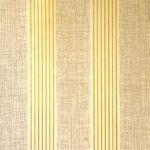
Stripes are another clean wallpaper choice that fits beautifully into a minimalist bedroom. The key is choosing narrow, soft, or tone-on-tone stripes rather than bold, high-contrast ones. A faint vertical stripe can make the ceiling feel higher and bring a sense of order to the room.
This is a particularly helpful idea for smaller bedrooms. A striped wallpaper behind the bed can create structure without needing much else on the wall. It gives the eye a gentle direction, which can make the room feel taller and more composed.
For a clean look, the best striped wallpapers usually stay close to the room’s main color palette. Think cream on beige, pale gray on white, or soft sage on a muted green base. The effect should feel calm, not graphic.
Nature-Inspired Prints with Breathing Space
Minimalist does not mean nature has to disappear from the room. In fact, soft botanical wallpaper can bring a peaceful, organic feeling to a bedroom when used carefully. The trend is moving away from crowded floral designs and toward airy patterns with plenty of empty space.
A simple branch print, fine leaf outline, or faded botanical sketch can feel elegant without becoming too decorative. Florals and botanical motifs are also being discussed widely in current interiors, with designers noting that nature-inspired prints can bring warmth and personality into clean modern spaces when used with restraint.
For minimalist bedrooms, scale matters. A large, loose botanical pattern can sometimes feel calmer than a tiny repeated print because it gives the wall room to breathe. Soft colors are important too. Dusty green, warm beige, pale mushroom, chalky blue, or muted brown can keep the look grounded.
Mineral Blues and Muted Greens
Color is returning to minimalist bedrooms, but in a quiet way. Instead of bright feature walls, many people are choosing soft colors that still behave like neutrals. Mineral blue, misty green, sage, and smoky gray-blue are especially suitable for bedroom wallpaper because they feel restful and understated.
Recent interior color discussions have highlighted mineral blue as a softer alternative to standard beige and gray, valued for its calm, atmospheric quality. In wallpaper, shades like this can make a bedroom feel serene without making the design feel heavy.
Muted green has a similar effect. It connects the bedroom to nature and works beautifully with wood, white bedding, and black or brass accents. A sage green textured wallpaper behind the headboard can feel fresh, but still simple enough for a minimalist space.
Accent Walls That Feel Integrated
The accent wall is still a popular wallpaper choice, but minimalist bedrooms handle it differently. Instead of using wallpaper as a loud focal point, the trend is to make the accent wall feel integrated with the rest of the room.
The wall behind the bed is the most natural place for this. It frames the sleeping area and creates a gentle sense of depth. But the wallpaper should not feel disconnected from the rest of the space. Its color should repeat softly in the bedding, curtains, rug, or artwork.
For example, a warm taupe wallpaper behind the bed can be echoed through beige linen bedding and a wooden nightstand. A soft blue-gray wallpaper can connect with a pale blue throw or ceramic lamp. These small repetitions make the room feel calm and thoughtful.
Plaster, Limewash, and Handmade Effects
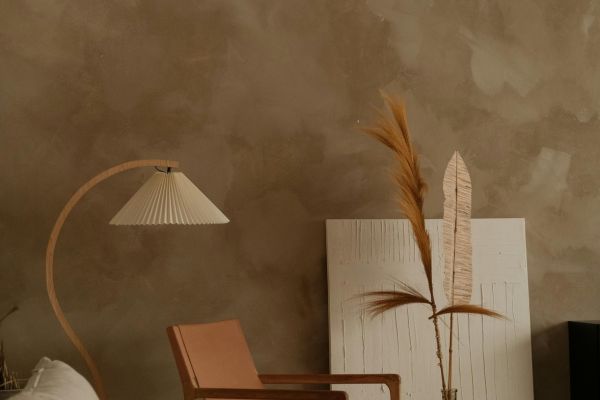
Another major direction in minimalist wallpaper is the handmade wall effect. Plaster-look wallpaper, limewash-style patterns, and softly uneven surfaces create the feeling of an old, calm, carefully finished room. These wallpapers are perfect for people who want texture but not pattern.
The charm is in the imperfection. A wall that looks slightly brushed, cloudy, or hand-applied can make a minimalist bedroom feel warmer and more personal. It avoids the overly perfect look that sometimes makes minimal rooms feel stiff.
This trend works especially well in bedrooms with simple furniture. A low bed, plain bedding, and a plaster-effect wallpaper can create a space that feels peaceful without needing much decoration.
Small-Scale Geometrics with a Quiet Rhythm
Geometric wallpaper can work in a minimalist bedroom, but it needs a light touch. Soft grids, tiny arches, thin line drawings, and gentle repeated shapes can bring rhythm to the room without making it feel busy.
The best minimalist geometric wallpapers use low contrast. A beige pattern on a cream background or a pale gray line on white can add structure while still feeling restful. These designs suit people who like order and simplicity but want something more interesting than a plain wall.
Geometric wallpaper also pairs well with modern furniture. Clean-lined beds, floating shelves, simple pendant lights, and uncluttered nightstands all support the same sense of calm structure.
Choosing Wallpaper That Supports Sleep
A bedroom is not just a design project. It is the place where the day ends. That matters when choosing wallpaper. Some designs may look beautiful online but feel too active once they cover a wall in a real room.
For a minimalist bedroom, it helps to think about how the wallpaper feels at night as well as during the day. Does it make the room feel softer? Does it help the bed feel grounded? Does it work with warm lamp light? Does it still feel calm when the curtains are closed?
The best wallpaper is not always the most noticeable one. Often, it is the one that makes the room feel settled without demanding attention.
Keeping the Rest of the Room Simple
Wallpaper has the strongest effect when the rest of the room gives it space. In a minimalist bedroom, this means avoiding too many competing textures, patterns, or colors. If the wallpaper has a soft botanical design, keep the bedding simple. If the wallpaper has a plaster texture, let it pair with natural fabrics and clean furniture.
This does not mean the room should be empty. A bedroom still needs softness. Curtains, cushions, rugs, and lighting all matter. But each element should feel chosen, not crowded. Wallpaper can be the quiet layer that pulls everything together.
Conclusion
Minimalist Bedroom Wallpaper Trends are moving toward calm, texture, warmth, and subtle personality. The cleanest bedrooms no longer depend only on plain white walls. They use soft neutrals, gentle stripes, muted colors, nature-inspired prints, and tactile finishes to create rooms that feel peaceful but not bare.
The best choice is the one that supports the mood of the bedroom. A quiet linen texture, a pale botanical print, or a warm plaster effect can completely change how a room feels without making it look busy. In the end, minimalist wallpaper is not about adding more decoration. It is about adding the right kind of depth, so the bedroom feels clean, restful, and naturally complete.