Choosing between textured wallpaper and paint is less about finding one universally “better” finish and more about deciding what you want your walls to do. Paint is familiar, flexible, and usually easier to change. Textured wallpaper can add depth, pattern, and tactile interest that paint alone cannot easily reproduce. The right choice depends on your budget, the condition of the walls, how long you want the finish to last, and how much visual impact you want from the room.
For homeowners comparing paint vs wallpaper, the most useful approach is to look beyond colour and pattern. Preparation, installation, maintenance, repairs, and future redecorating all affect the final decision. That broader wall finish comparison gives a clearer answer than judging either option on appearance alone.
How Textured Wallpaper and Paint Look Different
Paint changes colour and sheen while leaving the underlying wall surface largely visible. It works especially well when you want furniture, artwork, architectural details, or lighting to take visual priority.
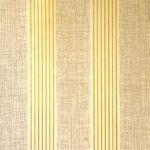
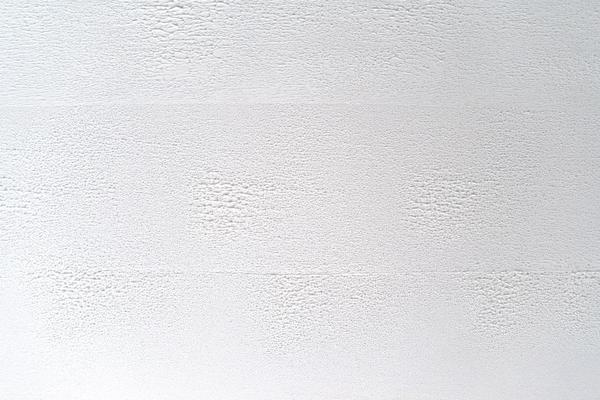
Textured wallpaper adds another layer to the design. Depending on the product, the surface may imitate linen, plaster, stone, geometric relief, wood grain, or other raised patterns. Light catches the texture differently throughout the day, so the wall can feel more dimensional than a flat painted surface. For wall texture ideas in bedrooms, dining rooms, entryways, or feature walls, wallpaper offers effects that would otherwise require specialist decorative techniques.
Which Costs Less Upfront?
Paint is usually the lower-cost choice when the walls are already in reasonable condition and you are comfortable decorating yourself. The main materials are primer where needed, paint, rollers, brushes, masking supplies, and products for filling or sanding.
Textured wallpaper adds the cost of the wallcovering, adhesive when required, and installation tools. Pattern matching can also create waste because adjacent drops must align. Professional wallpaper installation may increase the total further, particularly around corners, windows, sockets, and detailed patterns.
So, for a basic room refresh, paint normally has the advantage on upfront cost. Wallpaper becomes easier to justify when its texture is a major part of the design rather than simply a substitute for colour.
Which Handles Imperfect Walls Better?
This is where textured wallpaper can have an advantage, but only within limits. A raised pattern can visually disguise small surface inconsistencies, faint marks, or minor unevenness because it breaks up the way light moves across the wall.
It should not be treated as a repair material. Loose plaster, active cracks, damp patches, mould, peeling coatings, or major bumps still need to be corrected before wallpapering. Covering those problems can lead to poor adhesion, visible ridges, staining, or failure later.
Paint can also work well on imperfect walls if preparation is thorough. Filling, sanding, spot priming, and choosing a lower-sheen finish can reduce the visibility of minor defects. Glossy finishes tend to reveal more unevenness because they reflect more light.
Consider an older bedroom with sound plaster but many shallow patches from previous picture hooks. After proper filling and sanding, a heavily textured wallpaper may make those small variations less noticeable. If the same wall has a recurring crack around a window, however, neither wallpaper nor another coat of paint is the answer; the underlying cause should be addressed first.
Durability and Maintenance
Both finishes can be durable, but performance depends on the exact product and room conditions. A good-quality washable interior paint can work well in hallways, family rooms, and other spaces that need regular cleaning. Small areas can often be touched up, although old and new paint may differ slightly in colour or sheen.
Textured wallpaper can also last for years when it is properly installed. Vinyl or washable wallcoverings may tolerate gentle cleaning, while natural or fibre-based textures can need more careful care. Raised surfaces may collect more dust than smooth paint, and wallpaper seams can lift if the wall was poorly prepared or exposed to excessive moisture.
The practical lesson is to check the manufacturer’s cleaning and room-suitability guidance rather than assuming all wallpaper or all paint performs the same way.
Which Is Easier to Change Later?
Paint wins on flexibility. Repainting usually involves cleaning, repairing small defects, preparing the surface, and applying the new colour. That makes it attractive if you like updating rooms regularly.
Wallpaper removal can take more work. Some modern products are designed to strip cleanly, but removal still depends on the wallcovering, adhesive, wall preparation, and surface underneath. Poorly installed paper can leave adhesive residue or damage weak surfaces.
If you want texture without committing an entire room, use wallpaper on one focal wall and paint the rest. This can add character while keeping future redecorating simpler.
When Paint Makes More Sense
Paint is usually the stronger choice when budget, easy maintenance, quick future changes, or straightforward DIY work are your priorities. It also suits rooms where you want a calm backdrop rather than a noticeable surface treatment. On smooth, well-prepared walls, it provides a clean finish without adding another material layer.
When Textured Wallpaper Makes More Sense
Textured wallpaper is more compelling when the wall itself is intended to be part of the room’s design. It can add warmth, visual depth, and tactile detail to spaces that might otherwise feel flat. It is particularly effective behind a bed, in a dining area, along an entry wall, or anywhere side lighting can emphasise the raised surface.
Before committing, order a sample and view it on the actual wall in both daylight and artificial light. Texture can appear much stronger under side lighting than it does in a product image, and colour can shift noticeably with different bulbs and natural light.
FAQ
Is textured wallpaper better than paint for damaged walls?
It can make small visual irregularities less noticeable, but it should not cover serious damage. Cracks, damp, loose plaster, mould, and major unevenness should be repaired before either finish is applied.
Does textured wallpaper last longer than paint?
Not automatically. Longevity depends on product quality, installation, cleaning, moisture exposure, and everyday wear. Durable wallpaper can last for years, while good washable paint can also perform very well and is usually easier to touch up.
Is paint easier to maintain?
Generally, yes. Smooth painted walls are easy to dust and, with a washable finish, can often be wiped clean. Textured wallpaper may hold more dust, and cleaning methods vary by material.
Can you combine textured wallpaper and paint?
Yes. A textured feature wall with painted surrounding walls is a practical way to balance visual interest, cost, and flexibility. Choosing a paint colour that picks up an undertone from the wallpaper helps the room feel cohesive.
Final Verdict
For a straightforward decorating project, paint is usually the easier, more adaptable, and less expensive option. Textured wallpaper becomes more attractive when you want noticeable depth, pattern, or tactile character, and it can visually soften minor imperfections after proper wall preparation.
Choose paint if flexibility and simplicity matter most. Choose textured wallpaper if surface character is part of the design goal. If you want benefits from both, combining a textured feature wall with painted walls can be the most balanced solution.