
Why Peel and Stick Kitchen Wallpaper Has Become So Popular
A kitchen makeover does not always need demolition dust, a contractor’s schedule, or a budget that makes you quietly close the laptop. Sometimes, the whole mood of a kitchen changes with one surface. That is where Peel and Stick Kitchen Wallpaper has earned its place. It gives tired walls, plain backsplashes, pantry corners, and breakfast nooks a fresh look without the long-term commitment of traditional wallpaper or tile.
The appeal is easy to understand. Kitchens are hardworking rooms, but they are also emotional spaces. They hold morning coffee, late-night snacks, family conversations, and the little routines that make a house feel lived in. When the walls feel dull, the whole room can feel a bit flat. Peel and stick wallpaper offers a way to bring in pattern, texture, and personality quickly. You peel off the backing, smooth it onto the surface, and the room begins to shift almost immediately.
It is especially useful for renters, small-space dwellers, and anyone who likes to refresh interiors without making permanent changes. The best designs today look far more refined than the contact-paper styles people may remember from years ago. Modern options can mimic tile, marble, linen, grasscloth, wood, terrazzo, or hand-painted patterns with surprising charm.
Choosing a Style That Fits the Kitchen’s Personality
Before choosing a pattern, it helps to think about the feeling you want the kitchen to have. A kitchen with white cabinets and simple countertops can handle a bold print beautifully. A smaller or darker kitchen may benefit from something lighter, softer, and more reflective. The wallpaper should not fight the room. It should give it a voice.
For a calm, airy kitchen, pale botanical prints, soft geometric patterns, and warm neutral textures work well. These designs add interest without making the space feel busy. For a more dramatic look, dark florals, deep green marble, navy tile prints, or black-and-white patterns can make a wall feel intentional and styled.
Vintage-inspired wallpaper is another strong choice. Small florals, checkerboard patterns, faded fruit motifs, or retro tile prints bring a lived-in warmth that feels right in a kitchen. They are especially lovely in older homes where modern minimalism might feel a little too sharp.
If your kitchen already has colorful cabinets or patterned flooring, a simpler wallpaper may be better. A linen-look, plaster-effect, or subtle vertical stripe can add depth without crowding the room. The trick is balance. One strong design moment is usually enough.
Backsplash Looks Without the Tile Work
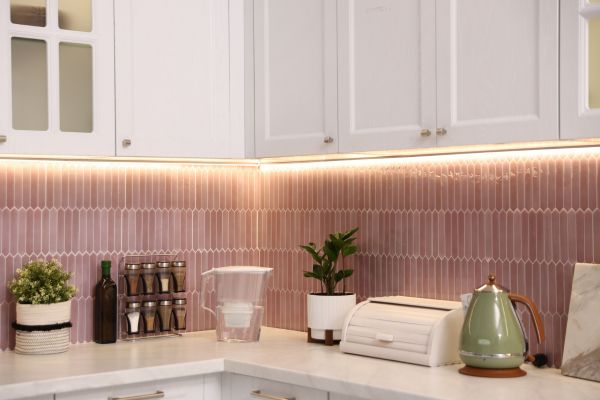
One of the most popular uses for Peel and Stick Kitchen Wallpaper is the backsplash area. It makes sense. The strip between the counter and upper cabinets is visible, compact, and perfect for a design update. Instead of installing real tile, you can create the impression of ceramic, subway tile, zellige, stone, or mosaic with a peel-and-stick surface.
Tile-effect wallpaper works best when the print is scaled realistically. Oversized fake tiles can look a bit theatrical, while properly sized patterns feel more convincing. White subway tile designs are clean and classic, but handmade-style tiles in soft blue, sage, cream, or terracotta can add more character.
For kitchens that need warmth, a faux stone or travertine look can soften the harder lines of appliances and cabinets. Marble-inspired wallpaper gives a polished finish, especially when paired with brass handles or simple open shelves. It will not behave like real stone, of course, but visually it can lift the room in a very short time.
Because backsplashes deal with splashes, steam, and cleaning, placement matters. Wallpaper should be kept away from direct heat, especially behind a stove unless the product is specifically made for that use and protected properly. Around sinks and prep areas, choose wipeable finishes and seal edges carefully so moisture does not creep underneath.
Small Areas That Make a Big Difference
A full kitchen wall is not the only place for wallpaper. In fact, some of the most charming kitchen updates happen in smaller areas. The inside of glass-front cabinets, the back wall of open shelving, a pantry door, or the side of a kitchen island can all become design features.
Using wallpaper inside cabinets is a quiet detail, but it can make everyday dishes look more considered. A soft floral behind white plates or a dark geometric behind glassware gives depth without changing the whole room. Open shelving also benefits from this approach because the wallpaper acts almost like a backdrop.
A breakfast nook is another perfect spot. If there is a small wall behind a table or bench, wallpaper can define the area and make it feel cozy. This is especially useful in open-plan homes, where rooms sometimes blur into each other. A patterned wall says, gently, this is where the kitchen pauses and becomes a place to sit.
Even the side panels of lower cabinets can be refreshed with peel-and-stick designs. Wood-look wallpaper can warm up plain units, while a subtle cane or rattan print can give a casual, natural feel. It is a small change, but kitchens are full of small surfaces. Used thoughtfully, they add up.
Patterns That Work Especially Well in Kitchens
Some patterns naturally belong in a kitchen. Botanical designs feel fresh because they echo herbs, gardens, and seasonal cooking. Leafy prints in sage, olive, or muted green can make the room feel calmer. Fruit prints, when done tastefully, bring a nostalgic, cheerful quality. Lemons, figs, pears, and vines can look beautiful if the colors are not too loud.
Checkerboard is another kitchen classic. It can feel retro, Parisian, farmhouse, or modern depending on the colors and scale. A small black-and-white checker gives crisp energy, while cream and tan feels softer. Blue and white can look coastal without becoming overly themed.
Stripes are underrated in kitchens. Vertical stripes can make low ceilings feel taller, while thin irregular stripes add a hand-drawn, relaxed mood. They are also easier to live with than large prints because they provide rhythm without too much visual noise.
For a more contemporary kitchen, terrazzo, plaster, concrete, or abstract patterns can work beautifully. These styles add texture rather than obvious decoration. They are ideal for people who want the kitchen to feel finished but not fussy.
Preparing the Surface Before Application
The final look depends heavily on preparation. Peel-and-stick wallpaper needs a clean, dry, smooth surface. Grease is common in kitchens, even on walls that do not look dirty, so wiping the area with a mild cleaner is important. After cleaning, the wall should dry completely before anything is applied.
Textured walls can be difficult. Heavy texture may show through the wallpaper or prevent proper adhesion. Glossy tile, smooth painted walls, glass, and sealed wood are usually more suitable. Fresh paint should be allowed to cure fully, because wallpaper applied too soon may not stick well or could damage the finish when removed.
Measuring is also worth doing slowly. Kitchens have outlets, cabinet edges, corners, and appliances that make installation a bit more detailed than a plain bedroom wall. Starting with a straight guideline helps keep the first panel aligned. If the first panel tilts, every panel after it will try to follow.
It is better to smooth the wallpaper gradually rather than pulling off the entire backing at once. Working from top to bottom and center outward helps push out air bubbles. A smoothing tool or even a wrapped credit card can help, though gentle pressure is usually enough.
Making the Look Feel Intentional
The easiest way to make peel-and-stick wallpaper look polished is to treat it like a real design choice, not a quick cover-up. Repeat colors already present in the kitchen. If the handles are brass, a wallpaper with warm beige, cream, or muted gold tones may feel connected. If the countertop has gray veining, a cool-toned pattern might sit more naturally.
Also consider the edges. Wallpaper that stops awkwardly in the middle of a wall can look temporary. Whenever possible, end it at a corner, cabinet line, shelf edge, or trim. These natural boundaries make the installation feel built into the room.
Lighting plays a role too. A dark wallpaper under dim cabinets may disappear or make the counter feel shadowy. A pale wallpaper in strong sunlight may reveal seams more easily. Looking at a sample in the kitchen during different times of day can save disappointment later.
Cleaning and Living With It
Kitchens are not gentle spaces, so maintenance matters. Most peel-and-stick wallpaper can be wiped with a damp cloth, but harsh scrubbing may damage the print or lift the edges. Matte finishes often look elegant but may show stains more easily than smoother vinyl finishes. In areas near cooking zones, a more durable, wipeable surface is usually better.
If a corner begins to lift, it should be pressed back sooner rather than ignored. Moisture, steam, and dust can make lifting worse over time. A clean edge and firm pressure often solve the problem. For longer-lasting results, avoid applying wallpaper where it will be constantly soaked, overheated, or rubbed.
Conclusion: A Simple Change With Real Impact
Peel and Stick Kitchen Wallpaper is popular because it sits in that sweet spot between practical and expressive. It does not ask for a full renovation, yet it can make a kitchen feel brighter, warmer, more stylish, or simply more personal. Whether used as a backsplash, a cabinet backdrop, a breakfast nook feature, or a full accent wall, it gives ordinary surfaces a chance to say something.
The best results come from choosing a pattern that suits the room, preparing the surface carefully, and applying the wallpaper with patience. It is a small project, yes, but kitchens respond beautifully to small details. A fresh wall, a better color, a pattern with a bit of life in it, and suddenly the whole space feels more awake.