A bathroom can look spotless after a shower while moisture is still lingering on the walls. That is why choosing mildew-resistant bathroom wallpaper takes more thought than picking a washable pattern. Steam, condensation, small plumbing leaks and poor ventilation can all create conditions for growth, including in places you cannot see.
The right wallcovering can make a bathroom easier to maintain, but no wallpaper makes a damp wall safe. The smartest choice combines a suitable surface, a dry substrate and a plan for removing moisture after every shower.
What Does Mildew-Resistant Actually Mean?
Labels such as mildew resistant, mold resistant wallpaper and antimicrobial wallcovering describe different properties, and their meaning depends on the manufacturer’s testing. Some products have treatments intended to discourage microbial growth on the finished surface. Others simply offer a less absorbent, easier-to-clean face.
Neither claim guarantees protection behind the wallpaper. Mold can grow on damp paste, paper backing or drywall even when the visible surface looks fine. The US Environmental Protection Agency identifies wallpaper backing as one possible location for hidden mold. Treat product claims as one part of the decision, not a substitute for bathroom moisture control.
The Features Worth Checking Before You Buy
A wipeable, moisture-tolerant surface
Look for a manufacturer-rated washable or scrubbable finish, and read what cleaning methods are permitted. A surface that tolerates gentle wiping is helpful around sinks and in busy family bathrooms. However, washable does not mean suitable for direct water spray or constant wetting.
Backing and vapor permeability
Ask what the backing is made from and whether the wallcovering permits drying through the wall. Traditional paper products can absorb moisture, while some vinyl finishes resist surface water but allow very little vapor through. On certain exterior walls, an impermeable covering may trap moisture and contribute to concealed mold growth. The wall construction and local climate matter as much as the face material.
Clear installation and cleaning instructions
A useful product sheet should specify compatible primers, adhesives, suitable room conditions and cleaning limits. If the seller cannot say whether the covering is approved for bathrooms, do not assume it is. Check any antimicrobial claims for their stated scope; a treatment designed to protect the product itself is not a promise to disinfect the room.
How Common Wallpaper Materials Compare
Solid vinyl and vinyl-coated options
Mildew resistant vinyl is often marketed for bathrooms because its surface can handle occasional splashes and routine wiping. It can work on a properly prepared wall outside direct wet zones. Yet dense vinyl may restrict inward drying. Avoid selecting it automatically for a wall with a history of condensation, trapped moisture or leaks.
Nonwoven wallpaper
Some nonwoven wallcoverings are dimensionally stable and easier to install or remove. Their moisture performance varies considerably by coating, fiber content and adhesive. A nonwoven label alone is not proof of mildew resistance. Check the particular product’s bathroom suitability and cleaning guidance.
Traditional paper and peel-and-stick styles
Uncoated paper generally offers less forgiveness where splash marks and repeated humidity are common. Peel-and-stick products are convenient, but their adhesive can lose grip on unsuitable or persistently damp surfaces. Their performance depends on the complete product, not simply whether it can be repositioned.
For a broader comparison while planning your finish, consult a bathroom wallpaper materials guide rather than relying on a single marketing label.
Do a Moisture Check Before Hanging Anything
Wallpaper should go onto a sound, clean and thoroughly dry wall. Do not seal over staining, peeling paint or a persistent musty smell. Investigate the cause first, repair leaks and address existing mold appropriately. Covering damage may hide a problem until removal becomes much more difficult.
A practical example: imagine an upstairs bathroom where the mirror stays fogged for an hour after morning showers and the wall beside the window feels damp. Even premium mold resistant wallpaper is a poor first purchase. Check that the exhaust fan actually moves air outdoors, improve airflow, and see whether the wall dries promptly before decorating.
A small humidity meter can help you spot persistent dampness. EPA guidance recommends keeping indoor relative humidity below 60 percent, ideally around 30 to 50 percent where practical. Brief spikes during showers may occur; prolonged damp conditions are the bigger warning sign.
Choose the Right Part of the Bathroom
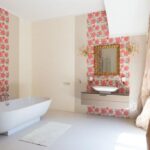
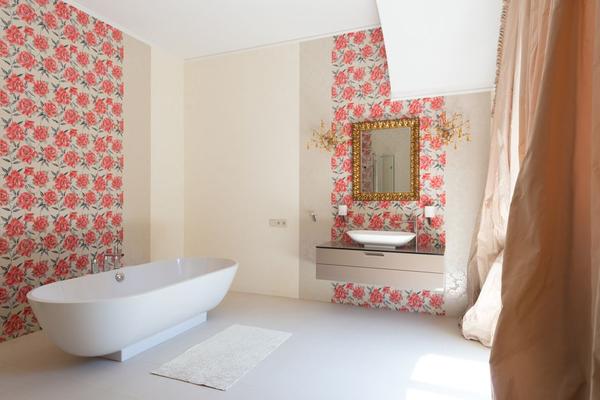
Placement is a surprisingly effective way to reduce risk. Reserve wallpaper for relatively dry areas, such as the wall behind a vanity that does not take regular splashes, or an accent wall well away from the shower. Use appropriately installed tile or another manufacturer-approved wet-area system where water hits directly.
Look especially closely at exterior corners, around cold windows and behind towel hooks. These spots may stay damp longer than the rest of the room. If a wall repeatedly condenses, investigate insulation, air leakage and ventilation before covering it.
For layout ideas, a bathroom accent wall placement guide can help balance pattern with the room’s wet and dry zones.
Ventilation and Everyday Care Matter More Than Special Additives
Run a properly vented bathroom exhaust fan while showering and continue until the humid air has cleared. Where suitable, opening a window can also help, but it is not a replacement for fixing inadequate ventilation. Wipe standing water from nearby walls and keep shower doors or curtains arranged so surfaces can dry.
Clean wallpaper only as its manufacturer recommends, using a soft cloth and mild products if permitted. Avoid soaking seams or scrubbing coatings aggressively. Check edges periodically: lifting, discoloration or a new musty odor can signal moisture behind the finish, not just a cosmetic defect.
If you need a routine for the whole room, pair these habits with a bathroom condensation prevention checklist. The goal is to shorten the time surfaces remain wet, not to spray stronger chemicals onto wallpaper.
Frequently Asked Questions
Is mildew-resistant bathroom wallpaper waterproof?
No. Resistance to mildew or an easy-clean finish does not necessarily make wallpaper waterproof. Unless the manufacturer explicitly approves a complete installation system for direct wet exposure, keep it outside shower and tub splash zones.
Does antimicrobial wallpaper prevent mold behind the wall?
Not reliably. Antimicrobial treatments may be limited to protecting the wallcovering’s surface. They cannot correct leaking plumbing, condensation or moisture trapped in drywall and adhesive.
Is vinyl always the best choice for a humid bathroom?
No. Vinyl may offer good surface washability, but low-permeability coverings can be unsuitable where walls need to dry inward. Evaluate the wall assembly and the specific manufacturer’s instructions.
Can I wallpaper over an old mildew stain?
Do not cover it without checking the cause. Correct the moisture source and properly clean or replace affected material before decorating. Seek professional advice if damage is extensive or hidden mold is suspected.
Choose for the Wall You Actually Have
The best mildew-resistant bathroom wallpaper is not necessarily the one with the strongest-sounding label. It is the product whose surface, backing, adhesive and installation guidance suit your wall and its exposure to moisture. Start by fixing dampness, choose a location away from direct spray, and keep the room ventilated. That combination gives the finish a better chance of staying attractive without hiding a growing problem.